
Arby’s Red Ranch Sauce Recipe: The Ultimate Copycat Guide With 10+ Ways to Use It
A creamy, tangy-sweet copycat sauce with a five-minute no-cook method, simple substitutions, storage tips, and serving ideas.
Difficulty
Easy / Beginner
Prep time
5 minutes
Cooking time
No Cook
Makes
1 batch
Quick Answer: What Is Arby’s Red Ranch Sauce?
Arby’s Red Ranch Sauce is a smooth, tomato-based sauce with a sweet and tangy flavor. It tastes similar to a mix of French dressing, Catalina dressing, ketchup, and a mild barbecue sauce.
Despite its name, it is not traditional ranch dressing.
It does not have the white color, thick dairy base, or strong herb flavor most people expect from ranch. Instead, it gets its flavor from tomato paste, vinegar, sweetener, oil, onion, garlic, paprika, and mild spices.
Ingredients
- Tomato base: Ketchup gives the sauce its red color, sweetness, acidity, and familiar tomato flavor.
- Creamy element: Full-fat mayonnaise creates the smooth texture and rich mouthfeel.
- Tang: Apple cider vinegar adds the bright, sharp flavor that keeps the sauce from tasting overly sweet.
- Sweetness: Granulated sugar softens the vinegar and rounds out the tomato flavor.
- Savory seasoning: Paprika, garlic powder, onion powder, and salt add warmth, color, and depth.
- Optional color boost: A tiny amount of beet juice or natural red food coloring helps create the sauce’s signature orange-red shade.
Table of Contents
Take a bite of an Arby’s Beef ‘n Cheddar, and the sauce is one of the first things you notice.
The roast beef is warm and tender. The cheddar sauce is rich and creamy. The toasted onion roll is soft, slightly sweet, and just sturdy enough to hold everything together.
Then you taste that glossy red sauce.
It is sweet at first, followed by a sharp little tang that cuts through the beef and cheese. A little may drip from the side of the sandwich and onto your fingers, but that is part of the experience.
Have you ever wished you could bottle that exact flavor and keep it in your fridge?
That is what this homemade Arby’s Red Ranch Sauce recipe is designed to recreate.
What Does Red Ranch Sauce Taste Like?
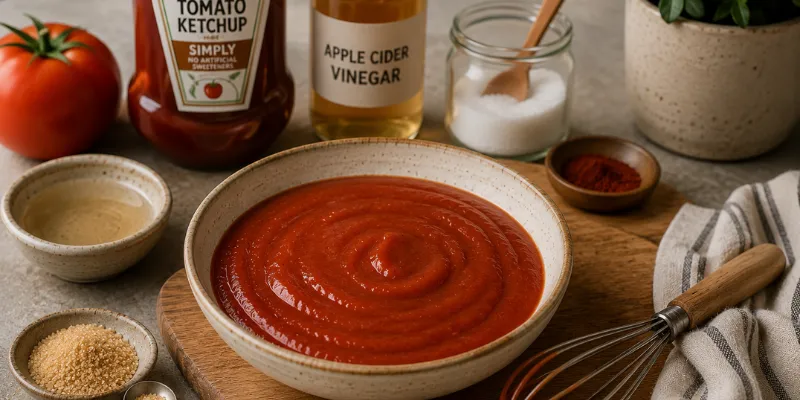
Red Ranch Sauce has three main flavor notes:
Sweetness softens the sharp vinegar and tomato.
Tanginess keeps the rich beef and cheddar from feeling too heavy.
Mild savory seasoning gives the sauce more depth than plain ketchup.
The texture matters too.
It should be smooth and pourable, but not watery. It needs enough body to stay on the sandwich while still spreading into the layers of beef and cheddar.
That balance is where many homemade versions go wrong.
Some taste like sweet ketchup. Others use too much vinegar and become harsh. A sauce that is too thick sits on top of the sandwich instead of blending with the cheese. A thin batch runs straight through the bun.
The right Red Ranch should lightly coat a spoon and slowly fall back into the bowl.
Is Red Ranch the Same as Arby’s Sauce?
No. Red Ranch Sauce and Arby’s Sauce are two different condiments.
Red Ranch is the sweet, tangy sauce used on the Beef ‘n Cheddar. Arby’s currently describes that sandwich as roast beef topped with cheddar cheese sauce and zesty Red Ranch, all served on a toasted onion roll.
Regular Arby’s Sauce is closer to a thin barbecue and ketchup-style sauce. It has a deeper, more savory tomato flavor and is commonly served in packets.
Red Ranch leans closer to French or Catalina dressing. It is generally sweeter, smoother, and brighter.
They may look similar, but they do not taste the same.
Why This Homemade Version Works
The goal of a copycat recipe is not simply to make a tasty red sauce.
It should recreate the important parts of the original:
- The sweet and tangy balance
- The smooth, lightly creamy mouthfeel
- The warm red color
- The mild onion and garlic flavor
- The pourable but clingy consistency
- The way the sauce works with roast beef and cheddar
This guide uses the published commercial ingredient profile as a starting point, then adapts it for a normal home kitchen.
You do not need high-fructose corn syrup, commercial stabilizers, or specialty food additives. Familiar pantry ingredients can provide the same basic functions.
Tomato creates the base. Vinegar brings the tang. Sugar balances the acidity. Oil softens the mouthfeel. Onion, garlic, and paprika add warmth and depth.
Resting brings everything together.
When the sauce first comes out of the bowl or saucepan, the vinegar and spices may taste separate. After chilling, those flavors meld into a smoother, more balanced sauce.
In this guide, you will learn:
- What Red Ranch Sauce really is
- Why it is called ranch even though it is not traditional ranch
- Which ingredients create the original flavor
- How to match the proper color and consistency
- Why resting improves the sauce
- How to fix a batch that is too thin, thick, sweet, or sour
- How to use Red Ranch beyond a Beef ‘n Cheddar sandwich
The method is simple.
The balance is what makes it work.
The History of Arby’s Red Ranch Sauce
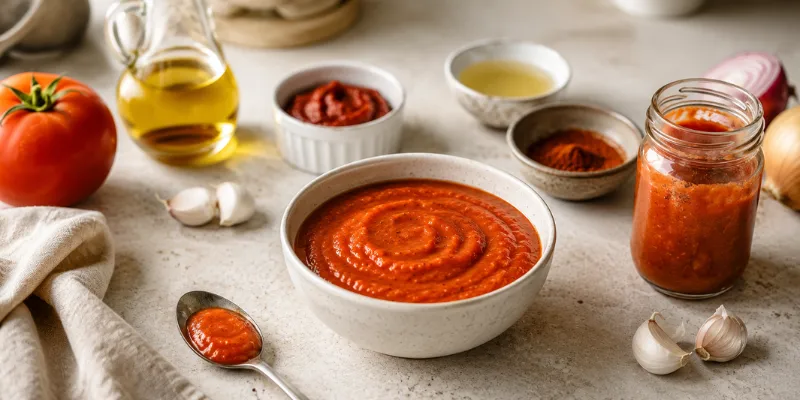
The story of Red Ranch Sauce is closely tied to the creation of the Beef ‘n Cheddar.
In 1978, a group of Arby’s franchisees and operations specialists worked together on an experimental research and development project. Their goal was to create a sister sandwich to the original Arby’s Roast Beef Sandwich.
The result combined thinly sliced roast beef, warm cheddar cheese sauce, Red Ranch Sauce, and an onion roll.
The Beef ‘n Cheddar was born.
The sandwich worked because every part served a purpose.
The roast beef provided the salty, meaty base. The cheddar added richness. The onion roll brought a soft texture and mild savory sweetness.
Red Ranch provided contrast.
Its vinegar helped cut through the rich meat and cheese. Its sweetness rounded out the sharper flavors, while the tomato and spices added enough flavor without hiding the roast beef.
It was not meant to overpower the sandwich.
It was meant to hold everything together.
Why Is It Called Red Ranch?
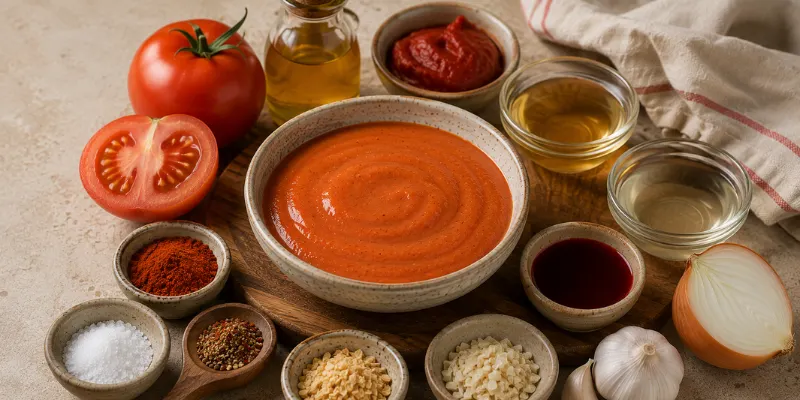
The name causes plenty of confusion.
Traditional ranch dressing is usually white or pale cream. It is commonly made with a creamy base and seasoned with herbs such as dill, parsley, garlic, onion, and chives.
For a classic creamy version, try my Texas Roadhouse Ranch Dressing recipe, which uses the familiar mayo, buttermilk, and herb base.
Red Ranch is completely different.
It is red, tomato-based, sweet, tangy, and much less herb-forward. Its published ingredient profile is closer to a sweet tomato dressing than traditional ranch.
Arby’s does not appear to have published a clear explanation for the name.
The word “ranch” may have been used loosely to describe a dressing-style sauce, while “red” separated it from traditional white ranch. That is a reasonable theory, but it should not be presented as confirmed company history.
The most accurate explanation is simple:
Red Ranch is a branded sauce name, not a traditional ranch recipe.
It is not regular ranch with tomato or red food coloring mixed into it.
How It Became a Signature Arby’s Flavor

Red Ranch has remained closely connected to the Beef ‘n Cheddar for decades.
Arby’s still serves the Classic Beef ‘n Cheddar with roast beef, cheddar sauce, Red Ranch, and a toasted onion roll. That long-running combination has made the sauce a recognizable part of the sandwich rather than a temporary topping.
This also explains why many copycat recipes disappoint people.
You are not only trying to copy a sauce from memory. You are trying to recreate the way it tastes beside warm roast beef, salty cheddar, and a soft onion roll.
A homemade batch may taste slightly strong when sampled alone but feel balanced once it is added to the full sandwich.
Always taste it both ways.
What Is in the Original Red Ranch Sauce?

Published ingredient information for Arby’s Red Ranch Sauce lists ingredients including:
- High-fructose corn syrup
- Soybean oil
- Corn-cider vinegar
- Distilled vinegar
- Tomato paste
- Water
- Salt
- Paprika
- Spices
- Beet juice for color
- Dehydrated onion
- Dehydrated garlic
- Natural flavor
- Xanthan gum
- Propylene glycol alginate
These ingredients reveal how the commercial sauce gets its recognizable flavor, color, and texture.
What Each Ingredient Does
- Tomato paste forms the base.
It gives the sauce body, tomato flavor, and a natural red color. - Vinegar provides the tang.
Using more than one type of vinegar can create a rounder acidity than relying on a single sharp vinegar. - Corn syrup provides sweetness.
It balances the tomato and vinegar while helping create a glossy consistency. - Soybean oil improves the mouthfeel.
It makes the sauce feel smoother and less like plain ketchup. - Onion, garlic, paprika, and spices add depth.
They give the sauce a mild savory background without making it hot or strongly spiced. - Beet juice supports the red color.
It helps create a brighter, warmer shade than tomato paste alone may provide. - Xanthan gum and propylene glycol alginate control the consistency.
These commercial stabilizers keep the oil and water evenly mixed and help the sauce stay smooth during storage.
Does Red Ranch Contain Egg or Mayonnaise?

This is what turns a simple snack into something that actually keeps you going.
Pair fruits or vegetables with protein or healthy fats to make your snack more balanced. Easy options include:
- Hummus
- Cheese cubes
- Sunflower seed butter
- Greek yogurt cups
- Guacamole
A little dip or protein add-on can completely change a snack. Sometimes the difference between “I’m still hungry” and “that worked” is one simple addition.
How the Commercial Recipe Translates to a Home Kitchen
You do not need every commercial ingredient to make a convincing copycat sauce.
A home version can use:
- Ketchup or tomato paste for the base
- Granulated or brown sugar for sweetness
- Apple cider and distilled vinegar for tang
- A small amount of neutral oil for smoothness
- Onion powder and garlic powder for savory flavor
- Paprika for warmth and color
- Water to adjust the consistency
The goal is not to copy the factory formula ingredient by ingredient.
The goal is to recreate what you can actually taste: a smooth red sauce with the right balance of tomato, sweetness, vinegar, and mild spice.
Get those four things right, and the homemade batch will feel much closer to the sauce you remember.
Ingredient Breakdown: Why Each Ingredient Works
Arby’s Red Ranch Sauce uses simple flavors, but the balance has to be right.
Too much ketchup makes it taste like an ordinary sandwich sauce. Too much vinegar turns it sharp. Too much mayonnaise makes it pale and heavy. Even a little extra sugar can hide the tomato and spices.
Each ingredient has a specific job.
Once you understand that job, it becomes much easier to adjust your homemade batch without losing the flavor you are trying to recreate.
The Core Flavor Trio: Ketchup, Vinegar, and Sugar
These three ingredients create the main sweet, tangy, tomato-based flavor.
Ketchup
Ketchup forms the base of this homemade red ranch sauce.
It provides tomato flavor, natural acidity, sweetness, color, and enough thickness to help the sauce cling to a sandwich. It also replaces several ingredients found separately in the commercial sauce, including tomato paste, sweetener, vinegar, salt, and spices.
Choose a ketchup with a clean, balanced tomato flavor.
Heinz Simply is a useful option because it is made without artificial sweeteners. This gives you more control over how much extra sugar goes into the sauce. Regular ketchup will still work, but you may need to adjust the added sugar because every brand has a slightly different level of sweetness and acidity.
Do not worry if your ketchup is slightly darker or sweeter than another brand.
Taste the finished sauce before making changes.
Expert tip: If the sauce tastes too much like plain ketchup, do not immediately add more spices. Add a small amount of vinegar first. That extra tang often brings the sauce closer to the Red Ranch flavor.
Apple Cider Vinegar
Apple cider vinegar gives the sauce its bright, tangy finish.
That acidity is especially important when the sauce is served with roast beef and cheddar. It cuts through the rich cheese and keeps the sandwich from tasting too heavy.
Apple cider vinegar also has a softer, slightly fruity flavor compared with plain distilled vinegar. That makes the tang noticeable without becoming harsh.
Add it carefully.
An extra teaspoon may not sound like much, but it can change a small batch quickly.
Expert tip: For a sharper bite, add another ½ teaspoon of vinegar. Whisk well, taste, and only then decide whether the sauce needs more.
You can also combine apple cider vinegar with a little distilled white vinegar. Apple cider vinegar gives the sauce a rounder flavor, while distilled vinegar adds the cleaner, sharper bite found in many restaurant sauces.
Sugar
Sugar does more than make the sauce sweet.
It softens the acidity of the vinegar, rounds out the tomato flavor, and helps the spices taste more balanced. Without enough sweetness, the sauce can taste thin and overly sharp even when its texture is correct.
The amount you need will depend on your ketchup.
Some brands are already quite sweet. Others have a stronger tomato or vinegar flavor.
Start with slightly less sugar than the full recipe amount. Whisk the sauce, let the sugar dissolve, and taste it before adding more.
Expert tip: Add sugar in small amounts. It is easy to make the sauce sweeter, but difficult to correct a batch once the sweetness takes over.
The final sauce should taste sweet, but it should not taste like candy or sweet ketchup. You should still notice the vinegar, tomato, onion, and garlic.
The Creamy Element: Mayonnaise

Mayonnaise is not listed in the published commercial Red Ranch ingredient profile, so it should be understood as a home copycat adjustment, not a direct copy of the restaurant formula.
Used carefully, it can still be helpful.
- A small amount of mayonnaise softens the sharp edges of the ketchup and vinegar. It also gives the sauce a smoother, slightly creamy mouthfeel and helps the ingredients stay evenly mixed.
- Mayonnaise is already an oil-in-water emulsion. Its tiny oil droplets are held in a water-based mixture with the help of an emulsifier, usually egg yolk. Mixing a little into the sauce can therefore add body and make the texture feel more cohesive.
- Use full-fat real mayonnaise for the smoothest and richest result. Reduced-fat mayonnaise may contain more water and stabilizers, which can change the flavor or make the sauce feel less creamy.
- Vegan mayonnaise also works. The exact texture may vary by brand, so begin with a little and add more only when needed.
Use a light hand.
Too much mayonnaise will turn the sauce pink, dull the tang, and make it taste more like burger sauce than Red Ranch.
The right amount should smooth the sauce, not announce itself.
The Spice Blend
Red Ranch is not a hot or strongly spiced sauce. The seasonings should stay in the background and support the tomato, vinegar, and sweetness.
1. Paprika
Paprika adds gentle warmth and supports the sauce’s reddish-orange color.
Sweet paprika is the best choice when you want a flavor closer to the classic sauce. It adds color without making the batch spicy.
Smoked paprika can also work, but it changes the personality of the sauce. It gives the batch a deeper barbecue-like note that is tasty but less similar to the original.
Expert tip: Use smoked paprika only when you intentionally want a smokier variation. For the closest copycat flavor, stay with regular sweet paprika.
2. Garlic Powder and Onion Powder
Garlic powder and onion powder add savory depth without the sharp bite or uneven texture of fresh onion and garlic.
They dissolve more easily into the sauce and spread their flavor throughout the whole batch. This helps every spoonful taste consistent.
Powdered seasonings also work well in a sauce that will be stored in the refrigerator because there are no raw pieces affecting the texture.
Fresh garlic can be used, but it will make the sauce taste stronger and less like the smooth restaurant version.
Mince it extremely finely. Then let the sauce rest longer so the raw garlic flavor has time to soften.
Fresh onion is less suitable because it can release water and create small pieces in a sauce that should feel smooth.
3. Salt
Salt sharpens the tomato, sweetness, vinegar, and spices.
However, ketchup and mayonnaise already contain salt, so taste the full mixture before adding more.
Add only a small pinch at a time.
A sauce that seems to need more sugar or spice may simply need a little salt to bring the existing flavors forward.
The Secret Color Agent: Beet Juice
The published commercial ingredient breakdown includes beet juice for color. It helps give Red Ranch its distinctive warm red shade without relying only on tomato paste and paprika.
You do not need much in a homemade batch.
- Add one tiny drop of beet juice at a time. Whisk completely before deciding whether to add another. Beet pigments are strong, and too much can turn the sauce bright pink or purple instead of reddish-orange.
- Natural red food coloring can be used in the same careful way.
- Color is optional. It changes the appearance, not the main flavor.
- If your sauce already has a warm red-orange shade, there is no reason to add more coloring just for the sake of it.
Beet-based pigments can also be affected by acidity, heat, light, and storage conditions. That is another reason to use only a tiny amount and keep the finished sauce covered in the refrigerator.
Expert tip: Dip the tip of a toothpick into the coloring, then stir that into the sauce. This gives you much more control than pouring directly from the bottle.
Food Science Spotlight: Why Whisking Matters
Ketchup, vinegar, sugar, mayonnaise, and spices do not automatically become a perfectly smooth sauce.
They need to be mixed thoroughly.
Whisking breaks up small pockets of mayonnaise and spreads its oil droplets throughout the tomato and vinegar mixture. It also helps dissolve the sugar, hydrate the powdered spices, and distribute the seasoning evenly.
For a small batch, a whisk is usually enough.
For an extra-smooth sauce, use a small blender or immersion blender for a few seconds. Do not overblend. You want a smooth, pourable sauce, not a thick paste full of air bubbles.
Scrape the sides and bottom of the bowl as you mix. Dry spices often collect around the edges, where they can leave bitter or overly seasoned spots.

Its handheld design makes it easy to blend the sauce directly in the bowl. It helps create a smooth, evenly mixed texture in seconds while giving you better control and reducing unnecessary cleanup.
Why Resting Improves the Flavor
The sauce may taste slightly uneven immediately after mixing.
The vinegar can seem too sharp. The garlic and onion powders may feel dusty or separate. The sweetness may not seem fully blended into the tomato base.
Let the sauce rest.
During resting, the sugar continues to dissolve, the dry seasonings absorb moisture, and the flavors spread more evenly through the mixture. The sauce also cools and thickens slightly in the refrigerator.
Cover the bowl and chill it for at least 30 minutes. A few hours is even better. For the most cohesive flavor, let the batch rest overnight.
Taste it again after chilling.
The sauce often needs less adjustment than you expected when it was freshly mixed.
If it is still too sharp, add a small pinch of sugar. If it is too sweet, add vinegar ½ teaspoon at a time. If it is too thick, whisk in a few drops of water. If it is too thin, add a little more ketchup or mayonnaise.
Make one adjustment at a time.
That is the easiest way to protect the balance you have already built.
Swipe left or right to view the complete table.
| Original Ingredient | Substitution | Notes |
|---|---|---|
| Ketchup | Tomato paste + 1 teaspoon sugar + 1 teaspoon vinegar per ¼ cup | This option is slightly less sweet. Adjust the sugar and vinegar gradually until the flavor feels balanced. |
| Apple Cider Vinegar | White vinegar or lemon juice | White vinegar has a sharper bite, while lemon juice adds a lighter, fruity tang. Begin with slightly less and adjust to taste. |
| Granulated Sugar | Brown sugar, honey, or maple syrup | Brown sugar adds mild molasses notes. Honey and maple syrup may make the sauce slightly thinner, so add them gradually. |
| Mayonnaise | Vegan mayonnaise or plain Greek yogurt | Vegan mayonnaise keeps the sauce egg-free and gives it a similar creamy texture. Greek yogurt adds extra tang but produces a lighter, less rich sauce. |
| Paprika | Smoked paprika or a small pinch of cayenne | Smoked paprika adds a deeper, barbecue-style note. Cayenne adds heat, so use only a small pinch. |
| Garlic Powder | 1 small fresh garlic clove, very finely minced | Fresh garlic tastes stronger and more pungent. Let the sauce rest longer so the raw garlic flavor has time to mellow. |
| Onion Powder | 1 teaspoon very finely minced fresh onion | Fresh onion adds moisture and texture. Blend the sauce briefly if you want a smoother consistency. |
| Beet Juice for Color | Natural red food coloring or a tiny pinch of turmeric and paprika | Turmeric and paprika can create a similar warm orange-red shade. Use them sparingly so they do not affect the flavor or make the color look unnatural. |
Step-by-Step Arby’s Red Ranch Sauce Recipe

This sauce comes together quickly, but small details make a noticeable difference.
Measure carefully. Whisk until completely smooth. Then give the sauce enough resting time for the tomato, vinegar, sweetness, and spices to meld.
The flavor will be better after chilling.
Recipe at a Glance
- Prep time: 5 minutes
- Resting time: At least 2 hours
- Best resting time: Overnight
- Yield: About ¾ cup
- Method: No-cook, with an optional cooked version
Swipe left or right to view the complete table.
| Original Ingredient | Substitution | Notes |
|---|---|---|
| Ketchup | Tomato paste + 1 teaspoon sugar + 1 teaspoon vinegar per ¼ cup | This option is slightly less sweet. Adjust the sugar and vinegar gradually until the flavor feels balanced. |
| Apple Cider Vinegar | White vinegar or lemon juice | White vinegar has a sharper bite, while lemon juice adds a lighter, fruity tang. Begin with slightly less and adjust to taste. |
| Granulated Sugar | Brown sugar, honey, or maple syrup | Brown sugar adds mild molasses notes. Honey and maple syrup may make the sauce slightly thinner, so add them gradually. |
| Mayonnaise | Vegan mayonnaise or plain Greek yogurt | Vegan mayonnaise keeps the sauce egg-free and gives it a similar creamy texture. Greek yogurt adds extra tang but produces a lighter, less rich sauce. |
| Paprika | Smoked paprika or a small pinch of cayenne | Smoked paprika adds a deeper, barbecue-style note. Cayenne adds heat, so use only a small pinch. |
| Garlic Powder | 1 small fresh garlic clove, very finely minced | Fresh garlic tastes stronger and more pungent. Let the sauce rest longer so the raw garlic flavor has time to mellow. |
| Onion Powder | 1 teaspoon very finely minced fresh onion | Fresh onion adds moisture and texture. Blend the sauce briefly if you want a smoother consistency. |
| Beet Juice for Color | Natural red food coloring or a tiny pinch of turmeric and paprika | Turmeric and paprika can create a similar warm orange-red shade. Use them sparingly so they do not affect the flavor or make the color look unnatural. |
Choose the no-cook version when you want the fastest method and a brighter tomato-vinegar flavor.
Choose the cooked version when you prefer softer acidity and spices that taste more fully blended.
Neither method is automatically better.
It comes down to the flavor you remember and enjoy.
Red Ranch Sauce Variations
A Small Note From Our Kitchen
In our kitchen, most of us love a little extra spice, while one of my sisters always prefers sauces on the sweeter side. That is why I usually prepare the balanced red ranch base first, let it rest, and then divide the batch before adjusting it. A pinch of cayenne goes into the spicy portion, while her portion gets a slightly sweeter finish. This simple method lets everyone enjoy the same sauce without changing the full recipe.
Once you have made the basic recipe, you can adjust it without losing its main sweet and tangy character.
Spicy Red Ranch Sauce
Add ¼ teaspoon of cayenne pepper or a few dashes of hot sauce.
Whisk well and taste after resting.
For smoky heat, use a small pinch of chipotle powder or ½ teaspoon of adobo sauce. These ingredients will push the flavor closer to a smoky barbecue sauce, so add them carefully.
Begin with less than you think you need.
The heat often becomes more noticeable after chilling.
Low-Sugar Red Ranch Sauce
Use no-sugar-added ketchup and replace the granulated sugar with your preferred granulated low-calorie sweetener.
Start with less sweetener than the amount of sugar listed in the original recipe. Sugar substitutes vary in sweetness and may leave a cooling or slightly bitter aftertaste when overused.
Taste the sauce after it rests.
A low-sugar batch may be slightly thinner because regular sugar and sweetened ketchup contribute some body. If needed, add a little more ketchup.
For a thicker consistency, whisk in a very small amount of xanthan gum, beginning with no more than ⅛ teaspoon for this batch. Add it gradually while whisking to prevent clumps.
Too much xanthan gum can make the sauce sticky or gel-like.

Vegan Red Ranch Sauce
Replace regular mayonnaise with vegan mayonnaise.
Choose a full-fat vegan mayo with a neutral flavor. Strongly seasoned or very acidic products may change the balance of the sauce.
Vegan mayonnaise should provide a similar creamy texture, although the consistency can vary between brands.
You may also wish to check how your sugar was processed when preparing the recipe for someone following strict vegan standards. Some refined cane sugars may be processed using bone char, while organic sugar, beet sugar, and products labelled vegan avoid that concern.
After mixing, let the vegan version rest overnight. The extra time helps the flavors meld and can soften any noticeable taste from the mayonnaise substitute.
Smoky Red Ranch Sauce
Replace regular paprika with smoked paprika.
Begin with ⅛ teaspoon because smoked paprika has a stronger flavor. Add more after tasting.
This variation works particularly well with burgers, grilled chicken, fries, and roasted potatoes, though it will taste less like the classic Arby’s version.
Extra-Tangy Red Ranch Sauce
Add apple cider vinegar ½ teaspoon at a time.
For a cleaner, sharper bite, use a small amount of distilled white vinegar alongside the apple cider vinegar.
Do not add a full tablespoon at once.
The sauce can quickly go from pleasantly tangy to harsh.
Build Your Own Red Ranch Flavor

Think of the sauce as having three adjustable levers: sweetness, tanginess, and spice.
Start with the basic recipe. Let it rest. Then adjust one lever at a time.
Swipe left or right to view the complete table.
| Flavor Lever | Starting Amount | How to Adjust |
|---|---|---|
| Sweetness | 1 tablespoon sugar | Add ½ teaspoon at a time. |
| Tanginess | 1 tablespoon apple cider vinegar | Add ½ teaspoon at a time. |
| Warm Spice | ¼ teaspoon paprika | Add a small pinch at a time. |
| Heat | None in the base recipe | Add a pinch of cayenne or a few drops of hot sauce. |
| Saltiness | ⅛ teaspoon salt | Add one small pinch at a time. |
For a Sweeter Sauce
Add another ½ teaspoon of sugar.
This works well if your ketchup is strongly acidic or if you prefer a flavor closer to sweet French dressing.
For a Tangier Sauce
Add another ½ teaspoon of apple cider vinegar.
This helps the sauce cut through rich roast beef and cheese.
For More Warmth
Add another small pinch of paprika, garlic powder, or onion powder.
Avoid adding all three at once.
For More Heat
- Add a pinch of cayenne or two to three drops of hot sauce.
- Mix, rest, and taste again.
- The sauce should still taste like Red Ranch, not hot sauce with ketchup.
Always Adjust After Resting

A freshly mixed batch can be misleading.
The vinegar may seem sharper. The sugar may not be fully dissolved. The garlic and onion powders may taste more noticeable before they absorb moisture.
Give the sauce at least 2 hours in the refrigerator before making major changes.
Rest first. Taste again. Then adjust.
Storage, Shelf Life, and Freezing Guide
A good batch of red ranch sauce is easy to make ahead, but it still needs careful storage.
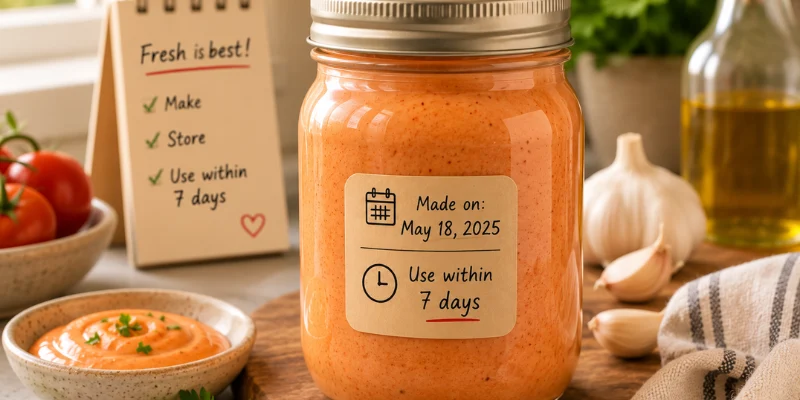
This homemade version does not contain the same preservatives or commercial stabilizers used in restaurant sauces. Keep it cold, use clean utensils, and label the container with the date you made it.
How to Store Red Ranch Sauce
Transfer the sauce to a clean, airtight glass jar or squeeze bottle as soon as it has finished resting.
Glass is my first choice. It does not hold onto tomato, garlic, or onion odors, and the clear sides make it easy to check the sauce before using it.
Keep the jar tightly closed and store it in the main part of the refrigerator, where the temperature stays more consistent. Your refrigerator should remain at 40°F or 4°C or below.
Avoid storing the sauce in the refrigerator door. The temperature changes each time the door opens.
Always use a clean spoon or knife. Dipping a used utensil back into the jar can introduce crumbs, meat juices, or bacteria that shorten the sauce’s shelf life.
How Long Does Homemade Red Ranch Sauce Last?

For the best safety and quality, use this homemade mayo-based sauce within 7 days.
Some simple homemade vinaigrettes may last longer because they contain mostly oil and vinegar. Creamier homemade sauces are less predictable because their shelf life depends on the ingredients, refrigerator temperature, acidity, and handling. An extension food-safety specialist recommends using homemade dressings containing more perishable or fresh ingredients within about one week.
I would not promise a full two-week shelf life for an untested homemade batch.
Label the container with the preparation date. When day seven arrives, make a fresh batch rather than trying to stretch the old one.
Can You Freeze Red Ranch Sauce?
Freezing is possible, but it is not the best storage method for this recipe.
Mayonnaise is an emulsion of oil and water. Freezing forms ice crystals that can damage that structure, causing the thawed sauce to look separated, grainy, or slightly curdled. USDA guidance specifically notes that mayonnaise and cream emulsions can separate when frozen.
For the smoothest texture, make a smaller batch instead of freezing leftovers.
When freezing is your only option:
- Spoon the sauce into an ice cube tray.
- Freeze until solid.
- Transfer the cubes to a sealed freezer bag.
- Label the bag with the date.
- Thaw only the amount you need overnight in the refrigerator.
- Whisk or blend the thawed sauce vigorously before serving.
The texture may improve after whisking, but it may not return completely to its original creamy consistency.
Do not thaw the sauce on the counter.
Signs the Sauce Has Spoiled
A little separation does not always mean the sauce is bad. Oil and moisture can shift while the jar sits in the refrigerator. Stir it and see whether the texture returns to normal.
Discard the entire batch when you notice:
- Visible mold
- A swollen or leaking container
- An unpleasant, fermented, or rancid smell
- Unusual bubbling
- A major change in color
- Separation that does not recombine
- A slimy or curdled texture
- A sour flavor that goes beyond the sauce’s normal vinegar tang
Do not taste the sauce when mold or a clearly bad smell is present. Harmful bacteria cannot always be detected by appearance, smell, or taste, so storage time and temperature still matter.
When in doubt, throw it out
Food Safety Reminder
Because the standard homemade version contains mayonnaise made with egg, keep it refrigerated until serving.
Do not leave it at room temperature for longer than 2 hours. Reduce that limit to 1 hour when the temperature is above 90°F or 32°C, such as during a summer picnic or outdoor barbecue. These time limits apply to perishable foods and prepared sauces.
Follow the same time rule when using vegan mayonnaise. Even without eggs, the completed homemade sauce should still be handled as a refrigerated prepared food.
Pairing and Serving Suggestions
The Beef ‘n Cheddar may be the reason most people make Red Ranch, but it is far from the only way to use it.
Its sweet tomato base works like ketchup. Its vinegar cuts through rich food like a dressing. Its smooth texture makes it useful as a dip, spread, drizzle, or marinade.
The Classic Beef ‘n Cheddar Copycat
- Start with a soft onion roll and thinly sliced warm roast beef.
- Place a generous pile of beef on the bottom half of the roll. Spoon warm cheddar cheese sauce over the meat, then drizzle Red Ranch over the cheese or spread it inside the top bun.
- Use about 1 to 2 tablespoons of Red Ranch Sauce per sandwich.
The cheddar provides richness, while the Red Ranch adds the sweet and tangy contrast that makes the sandwich feel complete.
- Add the top bun and serve it while the beef and cheese are still warm.
- A little sauce may run down the side.
That means you built it properly.
10+ Ways to Use Red Ranch Sauce
1. Dip for Curly Fries
Serve it beside hot curly fries, regular fries, potato wedges, or sweet potato fries.
Its vinegar helps balance the salt and oil, while the sweetness works especially well with seasoned fries.
2. Onion Ring Dip
Use it instead of ketchup with crisp onion rings.
The onion powder inside the sauce echoes the flavor of the fried onion without making the dip taste too heavy.
3. Chicken Tender Sauce
Serve it with fried, grilled, or air-fried chicken tenders.
Add a little cayenne or hot sauce when you want a spicy version.
4. Mozzarella Stick Dip
Red Ranch makes a sweeter, creamier alternative to marinara.
Its tang also helps balance the rich melted cheese.
That same sweet-tangy flavor also works perfectly with a crispy grilled cheese sandwich, especially when you want something different from the usual tomato dip.
5. Vegetable Dip
Use it with carrots, celery, cucumber, bell pepper strips, or roasted cauliflower.
For a lighter dipping consistency, whisk in a teaspoon of water.
6. Burger and Slider Spread
Spread a thin layer inside burger or slider buns.
It works particularly well with roast beef sliders, cheeseburgers, crispy chicken sandwiches, and pulled pork.
7. Wraps and Tacos
Drizzle it over crispy chicken wraps, beef wraps, fish tacos, or breakfast burritos.
Keep the amount light at first. The flavor is concentrated, and too much can overpower the filling.
8. Southwest-Style Salad Dressing
Turn it into a pourable dressing by whisking in water or buttermilk, one teaspoon at a time.
Toss it with lettuce, corn, black beans, tomatoes, shredded cheddar, and crispy tortilla strips.
Keep any buttermilk variation refrigerated and use it sooner because adding dairy shortens its practical storage life.
9. Breakfast Sandwich Sauce
Spread it on an egg and cheese biscuit, breakfast slider, or breakfast burrito.
The tang cuts through cheese, sausage, and bacon particularly well.
10. Chicken or Pork Marinade
Coat chicken thighs or pork chops lightly with the sauce and marinate them in the refrigerator.
The vinegar affects the surface of the meat, while the sugar encourages browning during cooking. Avoid very long marinating times because too much acid can make the outside texture soft.
Keep all marinating food refrigerated. Discard sauce that has touched raw meat, or bring it to a rapid boil before using it again as a cooked sauce.
11. Roasted Vegetables
Toss a small amount with roasted potatoes, Brussels sprouts, carrots, or corn.
Add it near the end of cooking. The sugar can darken quickly under high heat.
12. Tangy Pasta Salad
Mix Red Ranch with cooked and cooled pasta, diced ham, peas, cheddar, and finely chopped onion.
Thin it with a little water or mayonnaise when needed.
13. Pizza Drizzle
Drizzle it lightly over a meat lover’s pizza, cheeseburger pizza, or barbecue chicken pizza.
Add it after baking so the sauce keeps its bright, tangy flavor.
14. Hot Dogs and Sausages
Use it instead of plain ketchup and mustard.
It works especially well with grilled sausages, sliced onion, and melted cheddar.
Serving Size and Portioning
Start with 1 tablespoon per sandwich or 2 tablespoons as a dipping portion.
Taste before adding more.
Red Ranch is sweet, tangy, and concentrated, so a little usually goes a long way.
Nutritional Information

The values below are estimates for a 2-tablespoon serving made with:
- ½ cup Heinz Simply Ketchup
- 2 tablespoons Hellmann’s Real Mayonnaise
- 1 tablespoon granulated sugar
- 1 tablespoon apple cider vinegar
- The listed salt and spices
The ketchup label lists 20 calories, 4 grams of carbohydrates, 4 grams of sugar, and 170 milligrams of sodium per tablespoon. Hellmann’s Real Mayonnaise lists 90 calories, 10 grams of fat, and 90 milligrams of sodium per tablespoon
Estimated Nutritional Information
Estimated values per 2-tablespoon serving based on the original Chili's-style ranch recipe.
| Nutrient | Estimated Amount |
|---|---|
| Calories | 101 kcal |
| Total Fat | 10.2 g |
| Total Carbohydrates | 0.8 g |
| Total Sugar | 0.7 g |
| Protein | 0.6 g |
| Sodium | 167 mg |
Nutrition values are estimates calculated from standard ingredient data. Actual values may vary depending on the mayonnaise, dairy products, pickle juice, ingredient brands, exact serving size, and preparation method used.
These figures are estimates, not laboratory results. The actual nutrition will change with your ketchup, mayonnaise, sweetener, salt, substitutions, and final serving size.
Check the labels of the exact products you use when nutrition information is important for a medical diet.
Allergen Information
Egg
The standard recipe contains egg because regular mayonnaise is made with whole egg or egg yolk. Hellmann’s Real Mayonnaise specifically lists egg as an allergen.
Use vegan mayonnaise for an egg-free version, but still check every ingredient label.
Soy
Do not automatically label the recipe as containing soy only because the mayonnaise uses soybean oil.
Under U.S. allergen-labeling rules, highly refined oils are excluded from the definition of a major food allergen because they generally do not contain the allergenic protein. However, mayonnaise may contain other soy-derived ingredients depending on the brand. Read the complete ingredient and “contains” statements rather than guessing from the oil alone.
Anyone with a serious food allergy should use products specifically approved for their needs.
Is Red Ranch Sauce Gluten-Free?

The basic ingredients can be naturally gluten-free.
Apple cider vinegar and pure distilled vinegar are considered gluten-free. Malt vinegar is not gluten-free because it is made from barley. Flavored vinegars may also require closer label checking.
For a gluten-free batch:
- Use ketchup labelled gluten-free.
- Use gluten-free mayonnaise.
- Choose pure apple cider or distilled vinegar.
- Avoid malt vinegar.
- Check spice labels for cross-contact warnings.
- Use certified gluten-free products when preparing the sauce for someone with celiac disease.
Dietary Adaptations
Vegan Red Ranch Sauce
Replace regular mayonnaise with vegan mayonnaise.
Use ketchup, vinegar, spices, and coloring that meet your dietary requirements. Strict vegans may also prefer sugar labelled vegan.
The flavor should remain close to the standard recipe, although the texture may change slightly depending on the mayonnaise brand.
Low-Carb or Keto Version
Use no-sugar-added ketchup and replace granulated sugar with a suitable low-carb sweetener.
Add the sweetener gradually. Some alternatives taste much sweeter than sugar or leave a cooling aftertaste.
Check the ketchup carefully because it is normally the main source of carbohydrates in the sauce.
Low-Fat Version
Replace full-fat mayonnaise with light mayonnaise or plain Greek yogurt.
Light mayonnaise keeps the flavor closer to the original. Greek yogurt makes the sauce tangier and less rich.
Both substitutions may create a thinner texture. Reduce the vinegar slightly at first, then adjust after the sauce rests.
Greek yogurt also adds milk as an allergen and shortens the practical refrigerator life, so make a smaller batch and use it promptly.
Troubleshooting Common Red Ranch Sauce Problems

A small batch can change quickly.
Make one adjustment at a time. Whisk thoroughly, let the sauce sit for a few minutes, and then taste again.
Sauce is TOO Thin
Likely cause: Too much vinegar or water, not enough body, or insufficient chilling time.
How to fix it:
First, refrigerate the sauce for at least two hours. It will usually thicken as it cools.
If it is still too thin, whisk in:
- 1 teaspoon of mayonnaise for a creamier texture
- 1 tablespoon of ketchup for more tomato flavor
- ½ teaspoon of tomato paste for stronger thickening
- A tiny pinch of xanthan gum as a last resort
Sprinkle xanthan gum very slowly while whisking or blending. Adding it in one pile can create stubborn lumps.
Sauce Is Too Thick
Likely cause: Too much mayonnaise or tomato paste, moisture lost during cooking, or extended chilling.
How to fix it:
- Whisk in 1 teaspoon of water.
- Check the consistency before adding more. If the sauce also needs extra tang, use ½ teaspoon of apple cider vinegar instead of water.
- The sauce should coat a spoon but still fall from it slowly.
Do not pour in several teaspoons at once. A thick sauce is easy to thin, but a watery one takes more work to repair.
Sauce Separated or Looks Curdled
Likely cause: Mayonnaise was mixed into a hot tomato base, the ingredients were at very different temperatures, or the sauce was not blended thoroughly.
How to fix it:
- Let the sauce come to a cool, even temperature.
- Add 1 teaspoon of fresh mayonnaise to a clean bowl. Slowly whisk the separated sauce into it, adding only a small amount at first. Once the mixture becomes smooth, gradually add the rest.
- An immersion blender can also help bring the sauce back together.
- Do not use a raw egg yolk as a rescue method. It is unnecessary for this recipe and introduces an avoidable food-safety concern.
- If the sauce smells unpleasant or has been stored improperly, discard it rather than trying to repair it.
Sauce Is Too Sweet
Likely cause: Sweet ketchup, too much added sugar, or not enough acidity.
How to fix it:
- Add apple cider vinegar ½ teaspoon at a time.
- Whisk well and taste again. A small pinch of salt can also reduce the impression of sweetness by bringing the tomato and spices forward.
- For a less traditional variation, add one or two drops of hot sauce or a tiny amount of mustard. Both can cut through sweetness, but they will change the classic flavor.
Sauce Is Too Tangy
Likely cause: Too much vinegar or not enough sweetness to balance it.
How to fix it:
- Add ½ teaspoon of sugar or ketchup.
- Whisk until the sugar dissolves, then let the sauce rest for at least 15 minutes before tasting it again.
- Do not correct a sharp sauce with a large spoonful of mayonnaise. That may remove the tang, but it can also make the sauce pale and heavy.
Sauce Taste Flate
Likely cause: It has not rested long enough, or it needs a small amount of salt or seasoning.
Start by refrigerating it overnight.
Resting allows the garlic, onion, paprika, vinegar, tomato, and sweetness to meld. A sauce that seems plain immediately after mixing may taste much fuller the next day.
If it still lacks depth, add one of the following:
- A small pinch of salt
- A pinch of garlic powder
- A pinch of onion powder
- One or two drops of Worcestershire sauce
Worcestershire sauce is not part of the strict copycat flavor, but it can add savory depth. Check its allergen and gluten information when serving someone with dietary restrictions.
Sauce Is Too Pale
Likely cause: Too much mayonnaise, a pale ketchup, or not enough paprika.
- Add a small pinch of sweet paprika and whisk well.
- If necessary, stir in a tiny amount of beet juice or natural red food coloring using the tip of a toothpick.
- Do not add several drops at once.
- The color will usually become slightly deeper after the sauce rests.
Sauce Looks Too Pink
Likely cause: Too much mayonnaise, beet juice, or red coloring.
- Add another tablespoon of ketchup to bring back the warm tomato tone.
- A small pinch of paprika can also move the color toward reddish-orange.
- Avoid using turmeric unless absolutely necessary. It can make the sauce look orange and may add a noticeable earthy flavor.
Homemade vs. Arby’s Red Ranch: How to Run an Honest Taste Test

Because no documented blind-tasting results were provided for this article, it would not be honest to invent a winning score, a tester quotation, or a claim that the sauces were indistinguishable.
You can still run a useful comparison at home.
What You Need
Prepare:
- A chilled batch of homemade Red Ranch that has rested overnight
- Fresh Red Ranch from an Arby’s Beef ‘n Cheddar
- Two identical small cups
- Two clean spoons
- Plain roast beef or pieces of onion roll
- A simple scorecard
- One person to label the cups secretly
Label the samples A and B so the tasters do not know which is homemade.
Do not compare one sauce cold and the other warm. Temperature changes sweetness, aroma, thickness, and acidity.
Appearance and Color
place a spoonful of each sauce on a white plate.
Compare:
- Warm red-orange color
- Shine
- Thickness
- How quickly each sauce spreads
- Whether it coats the spoon evenly
The official commercial formula uses beet juice for color and stabilizers for consistency, so a homemade version may look slightly less glossy or perfectly uniform.
Do not chase color so aggressively that you damage the flavor.
A close taste matters more than an exact shade.
Aroma
Smell each sauce before tasting it.
Look for:
- Sweet tomato
- Mild vinegar
- Onion and garlic
- Gentle paprika
- A light savory note
The homemade sauce may smell brighter because its vinegar and spices are freshly mixed. The commercial sauce may smell more uniform because it contains stabilizers and is produced under controlled conditions.
That is an expected difference, not automatically a fault.
Flavor
Taste each sample from a clean spoon.
Notice the flavor in stages.
First taste: Is it mostly sweet, tangy, or tomato-forward?
Middle: Do the onion, garlic, oil, and paprika begin to appear?
Finish: Does the vinegar remain sharp, or does the sauce finish smooth and balanced?
Score each sample from 1 to 5 for:
- Sweetness
- Tanginess
- Tomato flavor
- Savory depth
- Spice
- Overall balance
Mouthfeel
Pay attention to how the sauce feels, not only how it tastes.
A strong copycat should be:
- Smooth
- Lightly creamy
- Easy to spread
- Thick enough to cling
- Thin enough to blend with cheddar sauce
The restaurant version contains oil, xanthan gum, and propylene glycol alginate, which help create a stable, consistent texture. A homemade version can come close, but it may feel slightly fresher and less processed
Frequently Asked Questions
Arby’s official gluten-free menu guide lists Red Ranch Sauce among its condiments made without gluten-containing ingredients. However, Arby’s kitchens also handle buns, breaded foods, and other wheat products, so restaurant cross-contact is still possible.
No. Regular ranch dressing will not recreate the flavor of Red Ranch.
Traditional ranch is pale, creamy, and strongly seasoned with herbs, buttermilk, garlic, and onion. Red Ranch is tomato-based, sweet, tangy, and much less herb-forward.
Arby’s current ingredient guide shows that the two sauces are made differently. Its regular ranch contains buttermilk, cream, egg yolk, garlic, onion, and seasonings. Red Ranch contains tomato paste, corn-cider vinegar, distilled vinegar, soybean oil, paprika, beet juice, onion, garlic, and spices.
Regular ranch may still taste good on roast beef, but it will not taste like a Beef ‘n Cheddar.
Arby’s does not appear to publish an official explanation for the name.
The most likely explanation is that “ranch” refers loosely to its smooth, dressing-like consistency and tangy flavor. The word “red” separates it from traditional white ranch and points to its tomato and beet-colored appearance.
That explanation is a reasonable theory, not confirmed company history.
The clearest way to think about it is this:
Red Ranch is a branded Arby’s sauce, not ordinary ranch dressing with red coloring added.
All three sauces work with roast beef, but they have very different flavor profiles.
Red Ranch Sauce is sweet, smooth, tomato-based, and tangy. It contains tomato paste, two kinds of vinegar, soybean oil, paprika, beet juice, onion, garlic, and spices.
Arby’s Sauce is also tomato-based, but it is thinner and more savory. Its official ingredient list includes water, corn syrup, tomato paste, distilled vinegar, starch, garlic, onion, spices, and capsicum extract.
Horsey Sauce is pale, creamy, and sharp. It contains oil, egg yolks, mustard flour, and horseradish powder, which gives it the familiar horseradish kick.
Final Thoughts
Arby’s Red Ranch Sauce looks simple, but its flavor depends on a careful balance.
The tomato should be clear without tasting like plain ketchup. The vinegar should brighten the sauce without becoming harsh. The sweetness should soften the acidity, while the onion, garlic, and paprika stay quietly in the background.
Then comes the most important step.
Let it rest.
Once the flavors have had time to meld, spoon the sauce over warm roast beef, add creamy cheddar, and close everything inside a soft onion roll.
That first bite will tell you whether the balance is right.
Make the recipe, adjust it to your taste, and share the combination you liked best in the comments. Once you have a jar of homemade Red Ranch in the refrigerator, the Beef ‘n Cheddar is only the beginning.
Ingredients
- Tomato base: Ketchup gives the sauce its red color, sweetness, acidity, and familiar tomato flavor.
- Creamy element: Full-fat mayonnaise creates the smooth texture and rich mouthfeel.
- Tang: Apple cider vinegar adds the bright, sharp flavor that keeps the sauce from tasting overly sweet.
- Sweetness: Granulated sugar softens the vinegar and rounds out the tomato flavor.
- Savory seasoning: Paprika, garlic powder, onion powder, and salt add warmth, color, and depth.
- Optional color boost: A tiny amount of beet juice or natural red food coloring helps create the sauce’s signature orange-red shade.

About This Guide
This guide is for home cooks who love Arby’s Beef ’n Cheddar and want to recreate its unmistakable red sauce at home.
Red Ranch is not the same as regular ranch dressing. It is a creamy, tomato-based sauce with a sweet and tangy flavor that sits somewhere between French dressing and barbecue sauce.
Inside this guide, you will learn what Red Ranch sauce is, why each ingredient matters, and how to make it using a quick no-cook method. You will also find an optional cooked variation for a deeper, mellower flavor.
The guide also covers ingredient substitutions, vegan and low-sugar options, storage and freezing, common sauce problems, and more than ten ways to use it beyond the classic Beef ’n Cheddar sandwich